Watercolor Safari Animal Clipart: A Practical Asset for Creative Projects
Watercolor safari animal clipart offers a versatile visual resource for anyone creating educational materials, invitations, branding, or digital content. Unlike generic stock graphics, this type of clipart combines hand-painted watercolor textures with clearly defined safari animal subjects. The result is a set of illustrations that feel organic and artistic while remaining easy to use across different software and platforms. Whether you are a teacher preparing a wildlife unit, a small business owner designing a product label, or a blogger creating thematic visuals, understanding the specifications and best practices for using these digital downloads helps you integrate them smoothly into your workflow.
Understanding the Asset: Key Specifications and Their Practical Meaning
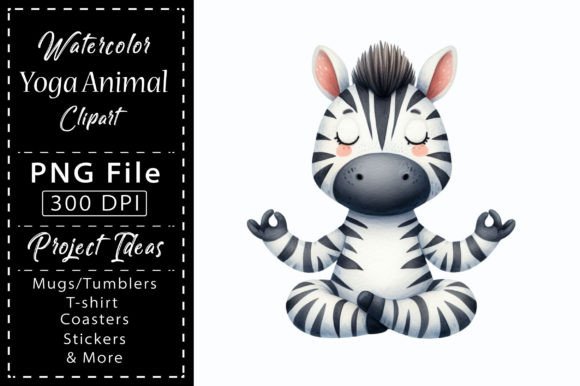
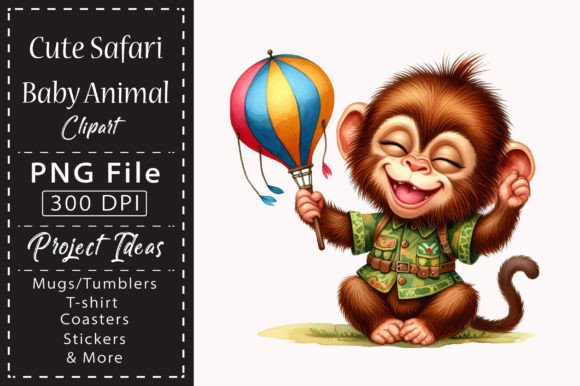
When you download a watercolor safari animal clipart file, the quality of the digital asset determines what you can do with it. The design information provided with this product includes dimensions of 12 by 12 inches at 3600 by 3600 pixels, a resolution of 300 DPI, and a single PNG file with a transparent background.
The 300 DPI resolution means the image holds enough detail for high-quality printing. If you are creating flyers, posters, or product packaging, the clipart will remain sharp at small and medium sizes. The 12-inch dimension gives you flexibility: you can scale the image down without losing clarity, but scaling up beyond the original size may introduce pixelation. For most digital uses such as social media graphics, website images, or PDF resources, the resolution is more than sufficient.
The transparent background is one of the most practical features. It allows you to place the safari animal illustration directly over any colored background, pattern, or photograph without needing to manually remove a white box. This saves time during compositing in Photoshop, Canva, Procreate, or similar software. Because the file is a single PNG, you will need to handle each animal individually if you want to arrange multiple animals separately. This product includes one PNG file, so the clipart is likely a single design or a set grouped together. Always check the product listing to confirm whether it contains multiple poses or a single composition.
It is also important to note that colors may vary between devices and printers. Calibrating your monitor and using proofing software can reduce surprises when moving from screen to print.
Integrating Safari Animal Clipart into Your Creative Process
Watercolor safari animal clipart can be used before, during, or after a project depending on your workflow. Understanding where it fits helps you save time and maintain visual consistency.
Pre-Project Planning
Before starting a design, gather your assets. If you know you will use safari animal illustrations, decide on a color palette that complements the watercolor style. The organic edges and soft washes of color in watercolor clipart work well with natural tones, earthy greens, warm yellows, and muted blues. Plan your layout around the clipart size. Because the PNG is large (3600 pixels), you can crop or scale it, but consider how the animal will interact with text or other elements. For example, if you are creating a banner for a zoo event, leave negative space around the animal so the watercolor texture does not fight the text.
During Execution
As you build your project, import the PNG into your design software. The transparent background makes layering easy. You might place the giraffe behind a text box, or use the lion as a focal point on an invitation. If you need multiple animals, you can duplicate the file and use masking tools to extract different parts if the file contains a group. However, because the product note states it is one PNG file, you may need to use selection tools to separate elements if the animals are not individually separated. For a smoother workflow, consider using clipart sets where each animal comes as its own file. In this case, plan to use the single composition as a whole or edit it in a raster editor like Photoshop to isolate parts.
When resizing, maintain the aspect ratio to avoid distortion. In most software, holding the Shift key while dragging a corner handle preserves proportions. Because the resolution is high, you can reduce the size without quality loss. For web use, you might export at 72 DPI to reduce file size, but keep the original PNG archived for print.
Post-Project Refinement
After you place the clipart, check the blending. Watercolor edges can look stunning against a plain background, but they may clash with busy patterns. Use subtle shadows or white strokes around the clipart if needed to define its shape. If you printed a test and the colors appear different from your screen, adjust using color correction tools in your software. The note about color variation is realistic; always print a proof before a large run.
Workflow Compatibility and Tool Integration
This digital download works with almost any graphic design application that supports PNG files. Common tools include:
- Adobe Photoshop and Illustrator
- Canva (free and pro versions)
- Procreate on iPad
- Affinity Designer and Photo
- GIMP (GNU Image Manipulation Program)
- Microsoft PowerPoint and Word (for simple projects)
For users of cutting machines like Cricut or Silhouette, the product note explicitly states that no cutting files are included. The PNG format can be used to print and then cut manually, but it will not have the vector paths needed for automatic blade cutting. If you need cut lines, you may need to convert the PNG to an SVG or use a trace feature in your cutting software. This is possible but requires additional steps. Keep this in mind if your primary workflow involves die-cutting stickers or iron-on transfers.
If you plan to use the clipart in a collaborative environment, share the PNG file via cloud storage. The transparent background ensures that other team members can drop it directly into their own layouts without extra work. For consistency across a brand, create a shared folder with all your watercolor assets, including this safari animal clipart, so everyone uses the same version.
Preparation and Organization for Long-Term Use
Digital assets accumulate quickly. To keep your library usable, name the file descriptively. For example, instead of a generic name like “design1.png,” rename it to “watercolor_safari_giraffe_12x12.png.” Organize folders by theme: “Watercolor Safari Animals,” “Boho Florals,” etc. If you often layer clipart, also keep a version with a white background for certain projects, but the transparent PNG is the primary file.
Back up your clipart files to an external drive or cloud storage. Because this is a digital download, you can download it again from your purchase history if you lose the file, but having local copies saves time. Consider using a digital asset management tool like Eagle, Pixave, or even a simple tagging system in Finder or File Explorer.
Quality Control and Consistency Across Projects
Watercolor safari animal clipart can be used across multiple projects, from classroom handouts to client presentations. Maintaining consistency means using the same resolution and color profile. If you design a series of worksheets, import the clipart at the same relative size each time. Create a template document with the clipart already placed and locked in position, then duplicate for each variation. This is especially useful for small business owners who produce thematic sets of printables.
When combining this clipart with other watercolor elements from different sources, check that the texture and lighting match. Watercolor styles can vary widely—some are highly saturated, others pastel. LibbyWishes likely has a cohesive style, but mixing with other artists’ work may require color adjustments. Use a consistent color overlay or gradient map to unify the look if needed.
Practical Implementation Tips for Different Use Cases
The audience for this clipart ranges from educators to e-commerce sellers. Here are specific workflow integrations:
For Educators and Bloggers
Use the clipart as a visual anchor in a jungle themed unit. Insert the PNG into PowerPoint or Google Slides. Because the background is transparent, you can overlay text directly on the image. For a worksheet, place the clipart in the header or as a border element. Keep the file size under 5 MB for quick uploads to learning management systems.
For Small Business Owners and Product Designers
If you sell printable art, greeting cards, or digital invitations, this clipart can serve as the main artwork. Because it is 300 DPI, it prints well at A5 or A6 sizes. Test print on your home printer to check color accuracy. For digital products like social media templates, reduce the resolution to 72 DPI and export as JPEG with a solid color background if you want to save bandwidth.
For Hobbyists and Crafters
Even without cutting files, you can print the clipart onto sticker paper and cut around the watercolor edges with scissors or a craft knife. The organic shape of watercolor makes imperfections in hand-cutting less noticeable. Alternatively, use the PNG in digital planners or scrapbooking applications like GoodNotes or Procreate.
The Digital Advantage and What to Expect
This is a digital item. No physical products will be shipped. The instant download nature means you can start using the clipart within minutes of purchase. However, remember that colors display differently on different screens. If color accuracy is critical for your project, request a sample file or check reviews that show real-world print results. The file is a single PNG, so there are no cutting layers, EPS, or vector formats included. For users who need vectors, this may require conversion using image trace tools. For most raster-based workflows, the PNG format is ideal.
The resolution and size are generous, allowing for high-detail use. The transparency eliminates the need for manual background removal, which is one of the biggest time savers in digital design. When used thoughtfully, watercolor safari animal clipart adds an artistic, natural feel that flat vector graphics cannot replicate.
Supporting Creators and Building a Resource Library
If you find this clipart valuable, consider subscribing to the creator’s store and following them to receive special gifts and discounts. In this case, LibbyWishes offers incentives for supported shoppers. Building a relationship with a consistent supplier of watercolor clipart can streamline your asset sourcing. Over time, you accumulate a library of themed sets that share a similar artistic style, making it easier to maintain brand or project cohesion.
Long-term use of digital downloads depends on how well you manage your files and rights. Most clipart is offered with a commercial license or personal use terms. Verify the license for the intended use before producing a large number of products. This awareness protects you legally and ensures you can continue using the clipart without issues.
By understanding the specifications, integrating the asset into your workflow at the right stage, and organizing your library, you get the most out of watercolor safari animal clipart. The combination of artistic quality, high resolution, and transparent background makes it a practical choice for a wide range of projects. Whether you are creating once or scaling production, this digital download fits into a deliberate, process-oriented approach to design.