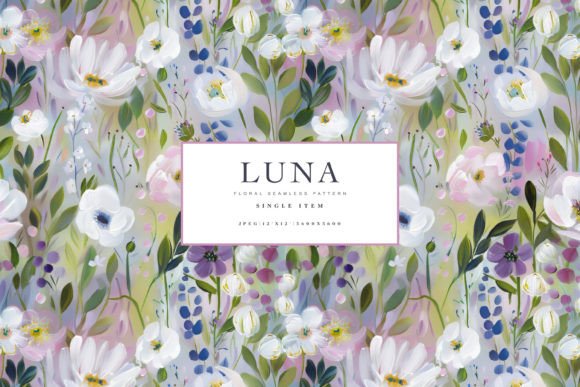
Evaluating the Flowers Seamless Pattern Abstract in a 12x12 JPEG Format
When planning a creative project, the design assets you choose lay the foundation for the entire outcome. A specific category like the Flowers Seamless Pattern Abstract, particularly when offered as a 12x12 JPEG, occupies a unique space in the market. It bridges the gap between high-end custom artwork and readily usable digital craft supplies. But how does it stack up against other options? Is this the right choice for your specific need? This article provides a balanced, practical evaluation to help you decide.
Understanding the Core Components: Size, Format, and Style
The term "Flowers Seamless Pattern Abstract 12x12 JPEG" is quite specific. Let us break down why each element matters for your evaluation process. Understanding these components is the first step in comparing this resource to other design solutions.
The 12x12 Size: A Standard for Craft and Small-Scale Print
The 12-inch square dimension is a hallmark in the crafting and small-scale printing world. It matches the popular 12x12 scrapbooking page perfectly, making it a no-fuss option for paper crafters. It is also an ideal size for gift wrap, small fabric panels, and digital backgrounds. From a comparison standpoint, a 12x12 tile is large enough to showcase a pattern's repeat effectively without being so large that it becomes cumbersome to download or handle. Its square nature makes it mathematically simple to tile seamlessly across a broader surface.
The JPEG Format: Strengths and Realistic Limitations
JPEG is a compressed raster format. It handles the complex colors, subtle gradients, and soft blends often found in abstract floral art very efficiently. Compared to a PNG, a JPEG file is usually smaller, which speeds up downloads and saves storage space. However, it lacks the transparency channel that PNG offers. Compared to vector formats like SVG or AI, a JPEG is not infinitely scalable without quality loss. For the intended scale of 12 inches, a high-resolution JPEG at 300 DPI provides excellent detail and print clarity. For designers comparing options, the JPEG format offers broad compatibility across almost every software and device, from Adobe Photoshop to Canva and Cricut Design Space.
The Abstract Style: Modern Versatility in Flower Patterns
An abstract floral design sits between pure geometry and literal botanical illustration. This positioning makes it highly adaptable across different demographics aged 20 to 50. It can fit modern, minimalist, and even bohemian aesthetics without being tied to a specific era or mood in the way that realistic florals might be. When you compare an abstract floral to a realistic one, the abstract version is often more forgiving in tiling and less likely to clash with other patterns in a project.
Comparing Abstract Floral Patterns to Other Style Categories
To determine if a Flowers Seamless Pattern Abstract is the right fit, it helps to compare it directly with other popular pattern categories. Each has distinct tradeoffs regarding mood, versatility, and application.
Abstract vs. Realistic Florals
- Strengths of Abstract: More forgiving in tiling, modern and artistic feel, works across genders and age groups, less likely to look outdated quickly.
- Strengths of Realistic: Strong specific identity, suits traditional or formal settings, appeals to botanical enthusiasts.
- Tradeoffs: Abstract may lack the specific, recognizable identity of a real flower. Realistic florals can feel too formal or feminine for some modern projects.
- Best Fit for Abstract: Contemporary apparel, modern home decor, digital wallpapers, mixed-media art, and projects targeting a broad audience.
Abstract vs. Geometric and Bohemian Styles
An abstract floral provides organic flow, softness, and emotional warmth. In contrast, a geometric pattern offers structure, precision, and a tech-forward or mid-century modern feel. If your project requires a sense of natural growth and artistic expression, the abstract floral is likely the stronger choice. Compared to bohemian or mandala patterns, abstract florals are often simpler and less complex in their repeat structure. This simplicity can be an advantage when you need the pattern to serve as a background rather than the main focal point.
The Significance of Size: When 12x12 Inches is Ideal and When It Falls Short
The specific dimension of 12x12 inches dictates the best-use scenarios for your Flowers Seamless Pattern Abstract. Evaluating this size against your project requirements is a critical decision factor.
Ideal Use Cases for the 12x12 Size
- Print Projects: A 12x12 inch JPEG at 300 DPI is 3600x3600 pixels. This is excellent for scrapbooking, card making, small boxes, and packaging.
- Small Fabric Projects: Perfect for a single fat quarter or small panel. Good for making pouches, coasters, or doll clothes.
- Digital Backgrounds: An ideal size for social media graphics, blog post backgrounds, or Zoom backdrops where high resolution is valued.
- Wall Art: Suitable for prints directly up to 12x12 inches.
Limitations of the 12x12 Size Compared to Larger Options
- Fabric Design for Apparel: For dressmaking, a 12-inch repeat is relatively small. It can result in a very repetitive look in a large garment. Larger repeats of 24 or 36 inches are often preferred for home decor fabrics and apparel to create a more organic drape.
- Large-Scale Wallpaper: While it can tile, wallpaper often benefits from larger, less obvious repeats to avoid a busy or dizzying effect on a large wall.
- Comparison to Vector Formats: An SVG or EPS vector file of the same abstract pattern would be infinitely scalable. The 12x12 JPEG offers immediate usability and a lower price point, but it cannot be scaled up for a billboard or large mural without pixelation.
Strengths and Tradeoffs: Weighing Your Options
When you are choosing between a Flowers Seamless Pattern Abstract in 12x12 JPEG and other formats or styles, a clear list of strengths and tradeoffs helps ground your decision in practical reality.
Key Strengths of the 12x12 JPEG Abstract Floral
- Universal Accessibility: JPEG is the most widely supported image format. You can open it on any device without special software.
- Rich Color Depth: Excellent for the complex blends and gradients typical of abstract art. The compression algorithm handles smooth color transitions well.
- Ready to Use: No need for specialized software to open or tile it. You can drag and drop it directly into your project.
- Cost-Effective: Generally more affordable than full vector packs or custom design services, making it a low-risk option for sampling a style.
Realistic Tradeoffs and Limitations
- Scalability Constraints: Cannot be scaled up significantly without losing quality. This is the biggest tradeoff compared to vector formats.
- Editing Difficulty: Harder to edit individual elements compared to a layered PNG or vector file. Changing the color palette entirely is difficult without advanced Photoshop skills.
- Background Dependency: JPEG does not support true transparency. If the abstract pattern has a specific background color, it will remain part of the file. A PNG alternative would be better for layering over other colors or backgrounds.
- Print Size Ceiling: While excellent for 12x12 prints, going much larger than 24x24 inches may show a loss in crispness depending on the original DPI.
Key Decision Factors for the Informed Buyer or Creator
As an experienced researcher evaluating a Flowers Seamless Pattern Abstract, consider these criteria before making your final choice. These factors help you move beyond surface-level appeal and assess technical and practical fit.
- Resolution Specs: Verify if the file is 300 DPI (print quality) or 72 DPI (screen quality). A 12x12 JPEG at 72 DPI is only 864x864 pixels, which is fine for the web but poor for printing.
- Repeatability Quality: Download a sample swatch if possible. Tile it in your software to ensure the seam is truly invisible. Some patterns labeled "seamless" have visible edges.
- Color Palette Harmony: Abstract florals vary widely. Compare the palette to your existing brand colors or project scheme. A mismatch in saturation or undertone can ruin the cohesion of your work.
- License Terms: Is it for personal use only? Can you use it in a product for sale? This is crucial for small business owners and creators in the 20-50 demographic who are monetizing their work.
- Bundle vs. Single Purchase: A single 12x12 JPEG is a great way to test a style. Coordinating bundles that include 6 to 12 patterns offer better value and versatility for larger projects like a full scrapbook album or a product line.
Practical Applications: Matching the Pattern to Your Workflow
Let us look at realistic scenarios to help you see how this specific asset fits into a real-world creative process. Understanding the workflow helps clarify when this is the optimal resource.
Scenario A: Digital Scrapbooking. You are creating a memory book for a garden wedding. The 12x12 size aligns perfectly with your album pages. The seamless nature means you can cover a full page or cut intricate shapes without worrying about the design ending abruptly. The JPEG format imports instantly into your scrapbooking software without conversion.
Scenario B: Small Business Product Packaging. You run a small Etsy shop selling artisan soaps. You need a background for your product photography and small labels. The 12x12 abstract floral JPEG provides an artistic, high-quality look that elevates your branding without the cost of a custom photoshoot. For this use case, the format and size are nearly perfect.
Scenario C: Surface Pattern Design for Fabric. You are designing a line of summer dresses. While the 12x12 JPEG abstract floral is perfect for creating mockups and mood boards, you may need to compare it against a larger scalable vector option for the final production files. The 12x12 version is an excellent tool for pitching ideas but may fall short in technical production requirements.
Making an Informed Decision
Ultimately, the Flowers Seamless Pattern Abstract in the 12x12 JPEG format represents a sweet spot of convenience, quality, and aesthetic appeal for a wide range of projects. Its accessibility and modern look make it a strong contender for your creative toolkit. By weighing the specific tradeoffs regarding scalability and editing flexibility against the clear benefits of size and usability, you can confidently determine if this pattern format aligns with the practical needs and creative vision of your next endeavor. Focus on your end goal, check the technical specifications, and let the unique character of the abstract design guide your selection process.