Etsy Niche Analyzer: A Practical Tool for Sellers Who Want Real Answers
There's a moment every Etsy seller knows. You've got an idea. Maybe it's cute. Maybe it's clever. But you stare at the search bar, and that little voice creeps in: Is this actually worth my time? That question can stall you for weeks. I've been there. You dig through forums, scroll through competitor listings, and try to guess if anyone will even click on your shop. It's exhausting. That's exactly why the Etsy Niche Analyzer exists. It's a free Notion-based template that takes the guesswork out of the equation. Instead of wondering, you get a clear signal. Yes, this niche has legs. Or no, maybe move on.
What the Etsy Niche Analyzer Actually Does
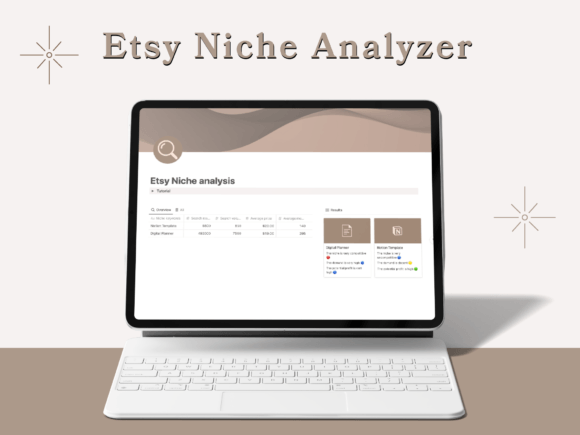
At its core, the Etsy Niche Analyzer is a structured way to look at your potential niche without emotion clouding the picture. You enter your search results, search volume, average price, and average monthly sales. The template crunches those numbers and tells you whether the niche shows real potential. It doesn't promise you'll be rich. It doesn't pretend to predict the future. What it does is give you a reality check based on data you've gathered yourself. That's a powerful thing when you're starting out or trying to pivot.
When You're Staring at a Blank Shop
Starting fresh on Etsy is intimidating. There are millions of listings, and every category seems saturated. I remember opening my first shop and thinking, Everything good is already taken. That feeling is common, but it's often wrong. What's actually happening is that you're not sure how to evaluate what you're seeing. The Etsy Niche Analyzer helps you cut through that noise. Instead of looking at a category and feeling overwhelmed, you plug in some numbers. Maybe you're considering handmade leather keychains. You search, find the average price around $18, notice monthly sales hovering around 200 for top sellers, and enter those figures. The tool gives you a verdict. If it says potential, you have a reason to proceed. If it says low potential, you just saved yourself weeks of effort.
For Sellers Who Already Have a Shop but Feel Stuck
Not everyone using the analyzer is a new seller. Some of the most frustrated users are people who've been on Etsy for a year or two. Sales are trickling in, but something feels off. Maybe the niche they chose was too broad. Maybe the competition is fierce and pricing is a race to the bottom. The analyzer becomes a diagnostic tool in this scenario. You take your current niche, run the numbers, and see what the template says. If it flags low potential, that's not a failure. It's information. You can then use that insight to refine your product line or explore adjacent niches that might perform better. I've seen sellers pivot from general home decor to very specific items like vintage-style planters for succulents, and the analyzer helped them see that shift was worth making.
How Different Users Approach the Tool
The beauty of the Etsy Niche Analyzer is that it adapts to how you think. Some users are methodical. They'll spend a weekend researching ten different niches, entering data for each, and comparing results in a spreadsheet. Others are more intuitive. They have a gut feeling about something, like custom pet portraits, and they just want a quick check. The analyzer works for both styles. The methodical user gets a structured comparison. The intuitive user gets a confidence boost or a gentle redirect. Both are valuable outcomes.
The Side Hustler Testing Waters
Consider someone working a full-time job who wants to start an Etsy shop on the side. They have limited time and energy. They can't afford to chase a niche that fizzles out after three months. The analyzer helps them focus on niches with clear demand and realistic pricing. For example, someone might be interested in selling digital planners. They search, find average prices around $12, and see monthly sales volumes that are solid but not insane. The tool confirms potential. That seller can then confidently invest their evenings into creating those planners, knowing the numbers back them up.
The Hobbyist Turning Passion into Profit
Then there's the hobbyist. Maybe they love making candles. They've been giving them as gifts, and friends keep saying they should sell them. But the candle market on Etsy is huge. How do you know if your specific angle, like soy candles with minimalist branding, has room? The analyzer forces a honest look. If the search volume is high but the average price is low and sales are dominated by a few big shops, the tool might flag it. That doesn't mean you shouldn't sell candles. It means you need to differentiate more. Maybe focus on unusual scents or eco-friendly packaging. The analyzer doesn't kill your dream. It makes you smarter about pursuing it.
Real Situations Where the Analyzer Shines
I've watched a friend use the Etsy Niche Analyzer to evaluate vintage pyrex dishes. She assumed it was a saturated market, but the data showed that specific patterns still had strong search volume and decent average prices. She started sourcing those patterns and built a steady stream of sales. Another example: a seller considering handmade baby blankets. The average price seemed good, but the analyzer highlighted that monthly sales for most sellers were low. That told her the category was competitive but not necessarily profitable for newcomers. She shifted to personalized baby blankets instead, which had better margins and clearer demand.
These are not hypotheticals. This is the kind of practical decision-making the tool enables. It turns vague feelings into concrete numbers. You can argue with numbers, but it's harder to ignore them when they're laid out plainly.
What to Keep in Mind Before You Start
The Etsy Niche Analyzer is free and requires a Notion account to use. That's a small hurdle, but worth noting. If you're not familiar with Notion, it takes maybe ten minutes to get comfortable. The template itself is intuitive, so you won't need a tutorial.
One thing to be honest about: the analyzer is only as good as the data you put in. If your search results are sloppy or your sales estimates are guesswork, the output will be shaky. Take the time to research properly. Look at multiple listings. Get a realistic range for prices and sales. The tool rewards diligence.
Another consideration is that the analyzer is designed for personal use. You can't resell it or use it to power a service for others. That's fine for individual sellers, but if you're thinking of building a consulting business around niche analysis, you'll need something more robust. For a solo seller or a small team, it's more than enough.
Strengths That Make It Worth Your Time
The biggest strength of the Etsy Niche Analyzer is its simplicity. It doesn't overwhelm you with dozens of metrics. It gives you a clear verdict. Potential or not. That's refreshing in a world where tools often bury you in dashboards and charts. Another strength is that it forces you to do the upfront research yourself. That sounds like a downside, but it's actually a feature. When you manually gather the data, you develop a feel for the market. You see patterns. You notice which shops are thriving and why. The analyzer is the final check, but the research itself teaches you a lot.
It's also device-friendly. Most of us will use it on a laptop, but it works on smartphones and tablets too. That matters when you're browsing Etsy on a phone and want to quickly test an idea without switching devices.
Limitations to Be Realistic About
No tool is perfect. The Etsy Niche Analyzer gives you a data point, not a guarantee. A niche can show high potential on paper but still be difficult to break into because of strong branding from established shops or shifting trends. The tool doesn't account for your specific skills, marketing ability, or design taste. Those are variables you bring to the table. Use the analyzer as a guide, not a crystal ball.
Also, the template relies on your interpretation of search results. If you're new to Etsy, you might underestimate or overestimate monthly sales. Spend a little time learning how to read the platform before you dive in. Look at sold items, not just active listings. Sold data tells you what's actually moving.
Who Should Try It
Honestly, anyone who is serious about selling on Etsy should give it a shot. New sellers who are overwhelmed by choice. Experienced sellers who feel their current niche is plateauing. Crafters who have multiple product ideas and need to pick one to focus on. Even sellers who are already doing well can use it to test expansion ideas before committing inventory and money.
The Etsy Niche Analyzer is a tool that respects your time. It doesn't promise magic. It promises clarity. And in a marketplace where clarity is rare, that's a solid offer.
Making the Most of It
If you decide to use it, block out an hour. Prepare a list of niches you're curious about. Do a quick Etsy search for each one. Note the search volume if available, the average price range, and typical monthly sales for top listings. Enter those numbers into the template. Let the tool give you its verdict. Then trust it enough to act on it. If a niche gets the green light, start planning your products. If it gets a red flag, cross it off and move to the next idea. This process alone can save you months of wasted effort and help you build a shop that actually gains traction.
There's no shortage of advice out there for Etsy sellers. What's harder to find is tools that cut through the fluff and give you something you can use today. The Etsy Niche Analyzer is one of those tools. It's free, it's practical, and it's built for the kind of seller who wants answers, not more questions.