Distressing by Design: Evaluating the Distressed Rough Paper Pack for Creative Projects
In the world of paper crafting, texture is often what separates the ordinary from the memorable. Whether you are building a layered scrapbook page, assembling handmade invitations, or packaging artisan goods, the surface you work on sets the tone. The distressed rough paper pack has gained attention among designers and hobbyists for its aged, tactile finish. But how does it compare to other textured papers, and when might it truly be the right fit for your work? This article takes a measured look at its strengths, limitations, and ideal use cases so you can decide with confidence.
What Defines a Distressed Rough Paper Pack
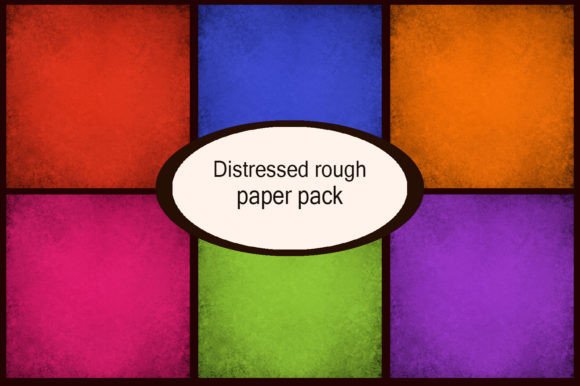
A distressed rough paper pack typically contains sheets that mimic the look and feel of aged, weathered, or handmade paper. The set described here includes six JPG files at 300 dpi, each 3333 by 3333 pixels, delivered in a zipped folder. These are digital files meant for printing, not physical sheets, which is an important distinction if you are accustomed to buying pre-cut paper packs. The distressing effect is visual and textural in the print: you see irregularities, grain, worn edges, and subtle stains that give each sheet an authentic vintage character.
What makes this pack distinct is the combination of high resolution and deliberate imperfection. At 3333 pixels square, you get enough detail to print at sizes up to roughly 11 by 11 inches at 300 dpi without visible pixelation. The rough texture is not a physical embossing but a photographic reproduction of real distressed surfaces. This makes it a versatile digital asset for projects where you want the look of aged paper without the cost or inconsistency of sourcing physical vintage stock.
Distressed Rough Paper vs. Other Textured Paper Options
When evaluating a distressed rough paper pack, it helps to understand the broader landscape of textured paper choices. Each option carries tradeoffs in cost, consistency, usability, and aesthetic effect.
Physical distressed paper sheets
Buying actual distressed or vintage paper sheets gives you a three-dimensional texture that no digital file can fully replicate. The fibers, creases, and tactile roughness are part of the experience. However, physical sheets vary widely in size, thickness, and color. They can be expensive, especially if you need many sheets with a similar look. They also cannot be resized or reused digitally. If your project demands a real hands-on texture—for example, a wedding invitation that guests will touch and hold—physical distressed paper may be worth the extra cost and effort.
Smooth digital paper packs
Many digital paper packs offer clean, flat, uniform backgrounds. They are easy to layer text and images onto and work predictably in design software. But they lack character. If you are aiming for an aged, rustic, or grungy aesthetic, smooth digital backgrounds often feel sterile. The distressed rough paper pack fills that gap by providing the visual complexity of worn paper while remaining fully digital and editable. You can adjust opacity, blend modes, and colors without losing the distressed effect.
Handmade paper textures vs. distressed finishes
Handmade paper textures often feature visible pulp, deckled edges, and organic fiber patterns. Distressed finishes, by contrast, emphasize wear: stains, creases, foxing, and faded edges. The distressed rough paper pack leans toward the latter. If you need the irregular, natural look of handmade paper, you might prefer a pack specifically designed with fiber patterns and deckled borders. But if your goal is a convincingly aged, weathered appearance, the distressed approach is more direct.
Strengths of the Distressed Rough Paper Pack
Understanding where this product excels helps you match it to the right projects.
- High resolution for printing. At 300 dpi and 3333 pixels per side, these files print cleanly at sizes up to about 11 inches square. You can also scale them down without losing quality, making them suitable for smaller cards, tags, and labels.
- Consistent distressing across sheets. Because all six files come from the same source, you get a cohesive set. This matters when you need multiple backgrounds that look like they belong together—for example, in a photo album, a series of art prints, or product packaging.
- Digital flexibility. You can layer text, graphics, and photos over the distressed surface. The JPG format works in virtually any design application, from Adobe Photoshop and Illustrator to Canva and Affinity. You can also recolor or adjust contrast without destroying the texture.
- Immediate availability. No shipping, no waiting, no risk of damage in transit. The zipped download gives you all six files in seconds, which is ideal if you are working under a deadline.
- Authentic vintage appeal. The rough texture and distressed details help projects feel aged, storied, and grounded. This is hard to achieve with standard digital backgrounds without spending significant time on manual effects.
Limitations and Tradeoffs to Consider
No product is right for every situation. Being aware of the downsides prevents disappointment.
- Only six files. For a large project requiring many unique backgrounds, six sheets may feel limiting. You can recolor or rotate them, but the underlying distress pattern will repeat. If variety is critical, you may need a larger set or multiple packs.
- No physical texture. As noted, these are digital files. If you print them on standard copy paper, the texture is visual only. Pairing them with textured cardstock or a matte finish paper helps preserve the aged look, but you cannot feel the distress.
- JPG compression artifacts. While 300 dpi is high, JPG is a lossy format. In dark or heavily textured areas, you may notice slight compression artifacts if you zoom in very closely. For most printing purposes this is not visible, but for large-format fine art prints, a lossless format like PNG or TIFF might be preferred.
- Fixed aspect ratio. Each file is square. If your project requires a rectangular background (e.g., A4, letter, or a wide banner), you will need to crop or stretch, which may alter the composition of the distress pattern.
When the Distressed Rough Paper Pack Is a Strong Choice
This pack suits specific scenarios well. Consider it for:
- Scrapbooking and journaling. The rough texture adds visual interest behind photos and memorabilia. The consistency across sheets helps pages feel part of a unified album.
- Digital crafting and print-on-demand. If you sell printable art, stationery, or digital scrapbooking kits, these backgrounds give buyers a ready-made vintage surface without requiring them to source paper separately.
- Social media graphics and mood boards. The distressed look works well for Pinterest pins, Instagram posts, and Etsy listing images that need an earthy, handcrafted feel.
- Packaging and labeling. For small-batch products like candles, soaps, or artisan foods, printing on these backgrounds can elevate the brand identity without commissioning custom photography.
- Mixed media art. If you layer paint, ink, or collage elements, starting with a distressed digital background provides a cohesive foundation. You can print multiple copies and experiment without fear of ruining expensive paper.
When You Might Want Another Option
Conversely, there are situations where this pack may fall short.
- Large-scale commercial printing. For banners, signage, or wallpaper, the square format and limited file count may not provide enough coverage or variety. You would likely need a larger, more versatile texture library.
- Projects requiring extreme consistency. If you need dozens of identical backgrounds for a business mailing, the six unique files may not suffice. You can repeat them, but recipients may notice. A seamless repeating texture or a larger set would be more practical.
- Fine art reproduction. Professional artists printing limited edition giclée prints may prefer uncompressed, high-bit-depth files to preserve every nuance of texture. A 300 dpi JPG is sufficient for most uses, but not always for museum-quality work.
- Three-dimensional crafts. If you are making handmade paper flowers, embossed cards, or tactile collages, a digital background cannot replace physical paper with actual thickness and grain. You would be better served by purchasing real distressed paper sheets.
Practical Comparison: Distressed Rough Paper Pack vs. Creating Your Own Textures
Some crafters consider making their own distressed paper textures by photographing or scanning old books, aged documents, or stained paper. That approach gives you complete control over every stain and crease, and you can generate as many unique textures as you like. However, it also requires time, equipment, and consistent lighting. You may also face copyright concerns if you are reproducing someone else’s old paper. The distressed rough paper pack trades creative control for convenience, consistency, and immediate use. If you value speed and reliability over absolute uniqueness, the pack is a practical shortcut.
How to Evaluate Whether This Pack Meets Your Needs
Before purchasing, ask yourself a few questions:
- What is your primary output medium? If you are printing at home, test a sample on your printer and paper type. If you are designing for screens only, the pack works as-is.
- How many unique backgrounds do you need? For most personal projects, six is adequate. For client work or product lines, consider whether you can rotate or modify the files without seeing obvious repetition.
- Is the distressed look central to your design or just an accent? If texture is the star, the pack delivers. If you need a subtle, barely-there background, these sheets may be too pronounced for your taste.
- Do you need physical texture or digital flexibility? If you want to touch and fold the paper, buy physical sheets. If you want to resize, recolor, and layer, digital files are more versatile.
Making an Informed Choice
The distressed rough paper pack occupies a useful niche: it gives you authentic-looking aged paper texture in a convenient, high-resolution digital format. It is not a replacement for every textured paper need, but it does what it sets out to do with consistency and quality. By understanding its strengths and limitations, you can decide whether it aligns with your project goals, budget, and creative process. For crafters and designers who value the look of weathered vintage paper without the hassle of sourcing physical sheets, this pack is a practical tool worth considering. For those who demand tactile roughness, unlimited variety, or uncompressed file formats, other options may serve you better. The key is matching the resource to the task—and now you have a clearer map to do exactly that.